
Solve Labor Issues with the Right Construction Equipment
Labor shortages slowing your construction projects? Discover how Hilti tools boost productivity, enhance safety, and save time on site. From smarter performance to versatile equipment, learn the 4 key factors that help you do more with fewer workers.

Choosing the right construction equipment is crucial for a project’s success — especially today, as the construction industry faces a labor crunch, an aging workforce, and a shortage of skilled workers.
In the past, performance and productivity were the main factors when selecting equipment. But as technology advances and safety becomes increasingly important, there are more considerations to ensure your workforce is fully equipped.
Before we dive into these factors, let’s quickly clarify the difference between tools and equipment…

What's the difference between Tools and Equipment?
Tools v Equipment
We often hear “tools” and “equipment” used interchangeably — but there’s a difference.
In construction:
A tool is a single item used to get the job done. For example: “I need to drill into concrete” → you need a cordless combihammer.
Equipment is a set or range of tools. For example: “I have the 12V cordless range in my tool park.”
Now, let’s dive in! Here are 4 key factors to consider when choosing construction equipment:
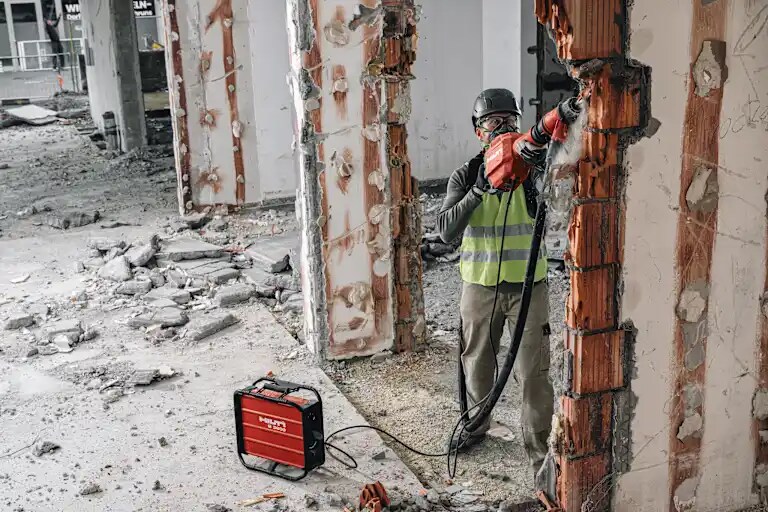
Application-Based Performance
When assessing performance, start with the application — what does the job involve, what materials are you working with, and how long will it take?
For example, when performing prolonged concrete demolition work, a demolition hammer equipped with vibration reduction technology, such as the Hilti TE 600-AVR, can help operators work more efficiently while reducing fatigue throughout the job.
In addition, combining the TE 600-AVR with a suitable dust removal system is particularly beneficial for renovation projects, indoor construction work, or environments with strict dust control requirements.

On-Site Productivity
Productivity in construction is measured by input (hours worked) vs. output (gross value added).
Consider the bigger picture: how do different tools and features interact with your application? A holistic approach can save time and reduce costs, especially when deadlines are tight.
Ask yourself:
What makes this tool more productive than others?
Can it reduce time to complete a job?
How many workers are needed to operate it?

Safety Features
Health and safety are non-negotiable when selecting tools.
For example, with an angle grinder, features like Active Torque Control (ATC) stop the tool from spinning uncontrollably if the disc jams, reducing safety hazards.
Hilti Smart Power automatically adjusts power output to suit the material, ensuring consistent performance while protecting the motor from overload.
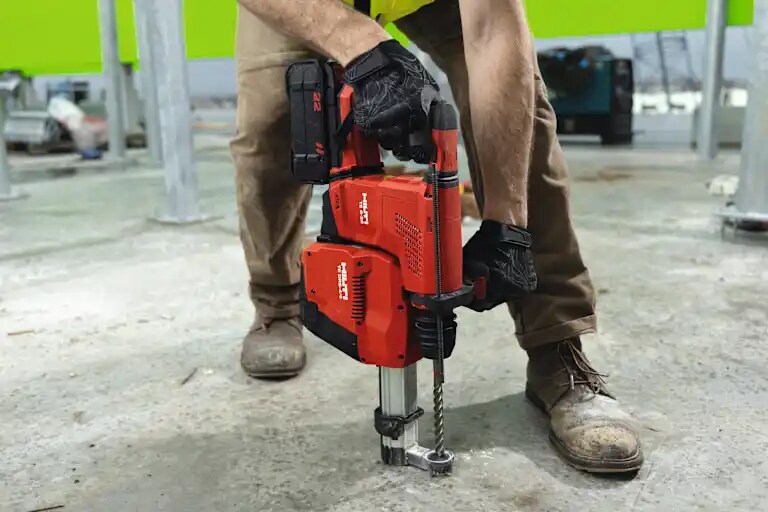
Tool Versatility
A versatile tool can handle multiple tasks, saving time, money, and storage space.
For example, the Hilti TE 6-22 cordless rotary hammer is designed to support a wide range of applications on the same jobsite. Users can drill into concrete for anchor installations, create through-holes for MEP systems, drill into steel and wood with a quick-change chuck, or perform light chiseling tasks such as cable routing and surface repairs.
Thanks to its versatility and easy adaptation to different applications, the TE 6-22 helps contractors reduce the number of tools they need to carry, lower equipment investment costs, and improve day-to-day productivity.
Understanding key construction terms can help you choose the right equipment for your job. Here are some important examples:
Hand Arm Vibration Syndrome (HAVs): A condition caused by prolonged exposure to vibration, often appearing as vibration white finger or carpal tunnel syndrome, sometimes in as little as 6 months.
Exposure Limit Value (ELV): The maximum vibration an employee can be exposed to in a single day.
Exposure Action Value (EAV): The daily vibration level above which employers must take action to protect workers.
Active Vibration Reduction (AVR): Technology designed to reduce long-term vibration exposure for the user.
Active Torque Control (ATC): Advanced sensors and a motor brake that prevent kickback by stopping the tool if a drill bit snags.
Dust Removal Systems (DRS): Systems that collect harmful dust using high-performance vacuum cleaners, keeping the worksite safer.
Even with ongoing construction labor shortages, knowing the right tools and technology can boost efficiency, safety, and productivity on site. Now that you understand the essentials, it’s time to put them into action — and Hilti has the equipment and solutions to help you get the job done smarter, faster, and safer.